🚚 Free Worldwide Shipping on All Orders!Shop Now

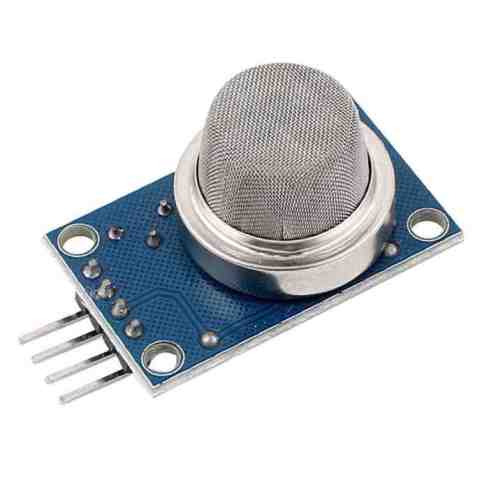
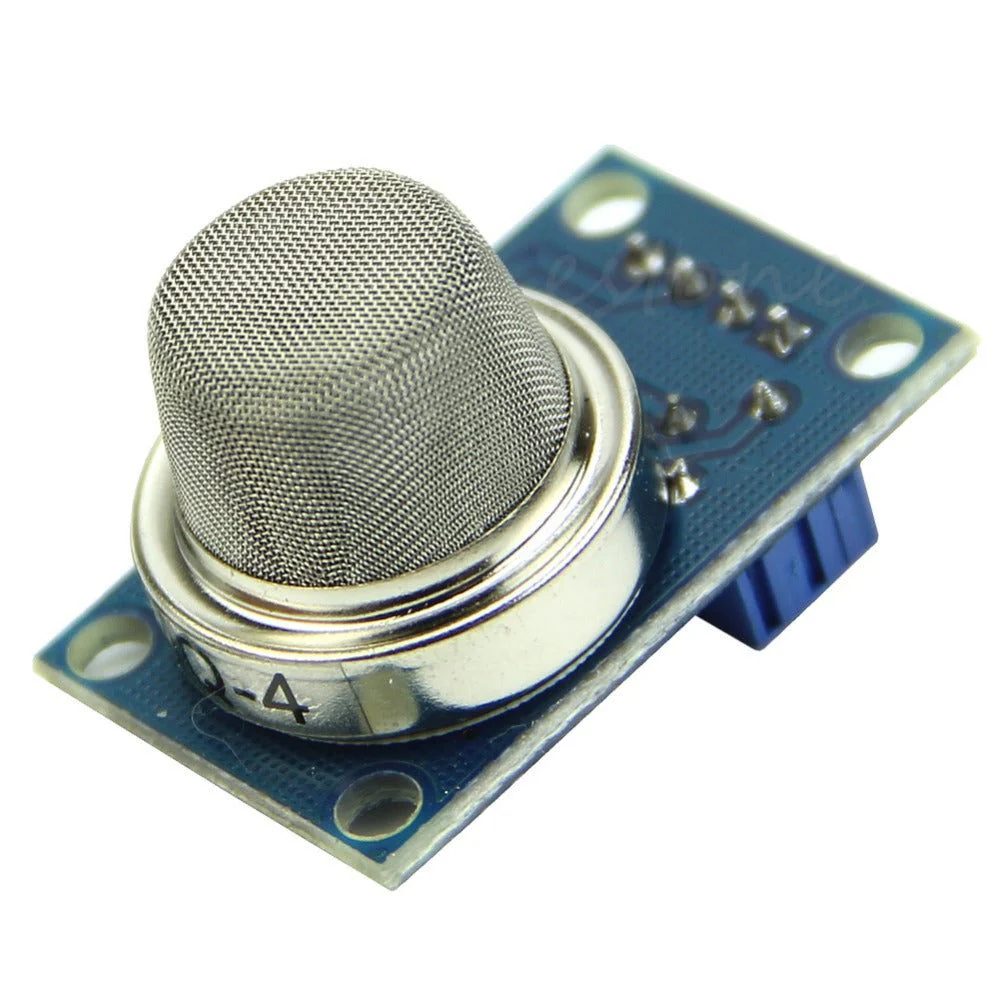
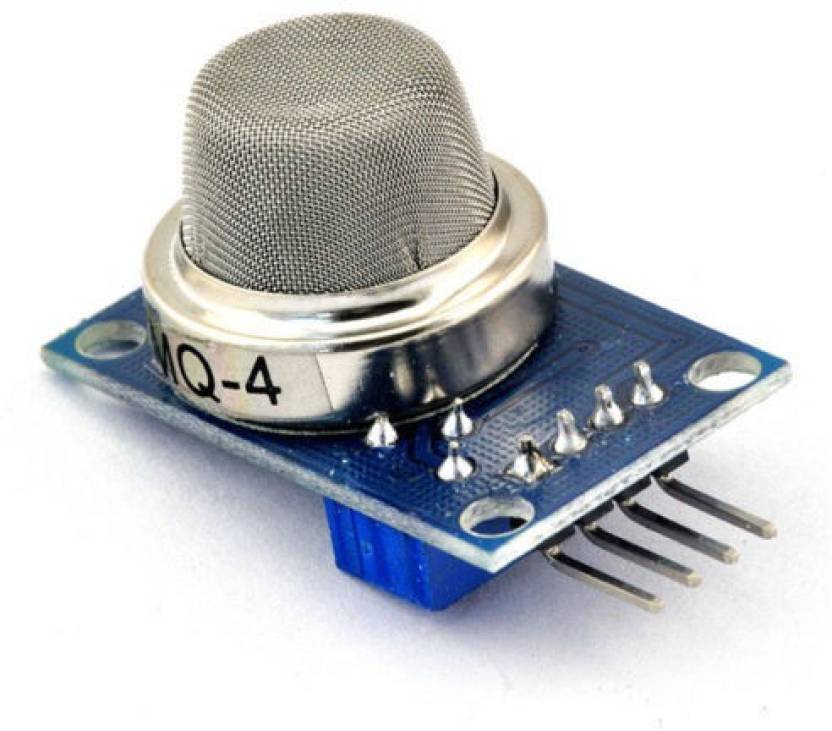
MQ-2 Gas Sensor Module For H2, LPG, CH4, CO, Smoke or Propane Detector Module
MQ-2 Gas Sensor Module
The MQ-2 Smoke LPG Butane Hydrogen Gas Sensor Detector Module is useful for gas leakage detection (home and industry). It is suitable for detecting H2, LPG, CH4, CO, Alcohol, Smoke, or Propane. Due to its high sensitivity and fast response time, measurements can be taken as soon as possible. The sensitivity of the sensor can be adjusted by the potentiometer
This MQ-2 Smoke and gas detector module works with 5V power, making it easy to connect to most projects. You can get two types of readings from it—an analog output, which gives you a range of values (0V to 5V) based on the gas level, or a digital output that’s either on (5V) or off (0V).
Check out the entire range of Gas Sensors.
Also explore the exclusive collection for Sensors.
Applications:
- Safety of home
- Control of air quality
- Measurement of gas level
- Gas leakage alarms
- IoT safety
MQ-2 Gas Sensor Module – Quick Start Guide
Wiring Guide
- Connect VCC to Arduino 5 V.
- Connect GND to Arduino GND.
- Connect A0 (analog output) to Arduino analog pin A0.
- Optional: Connect D0 (digital output) to Arduino digital pin (e.g., D2) for threshold detection.
- Allow the sensor to pre-heat for a few minutes before use.
Arduino Code Example – Analog Read
#define sensorPin A0    // analog input pin for MQ-2
int sensorValue = 0;

void setup() {
  Serial.begin(9600);
  Serial.println("MQ-2 Gas Sensor Test");
  delay(2000);  // sensor stabilisation
}

void loop() {
  sensorValue = analogRead(sensorPin);
  Serial.print("Gas Sensor Reading: ");
  Serial.println(sensorValue);

  if (sensorValue > 400) {   // adjust threshold as needed
    Serial.println(">> Gas/Smoke Detected! <<");
  }

  delay(1000);
}
Usage Tips
- Higher sensor values indicate higher gas concentration.
- Adjust the threshold depending on your environment and calibration.
- The digital output (D0) can be used for simple detection logic.
- Ensure good ventilation and safety when testing with flammable gases.
MQ-2 vs MQ-3 vs MQ-7 – Gas Sensor Comparison
| Feature | MQ-2 | MQ-3 | MQ-7 |
|---|---|---|---|
| Main target gases | Combustible gases & smoke (LPG, propane, methane, hydrogen, etc.) | Alcohol/ethanol vapour (also benzine, smoke to lesser extent) | Carbon monoxide (CO) primarily |
| Typical operation voltage | 5 V heater standard | 5 V heater standard | Complex heating cycle (e.g., 5 V then 1.4 V low-heater mode) for CO detection |
| Specific usage notes | General-purpose gas and smoke sensor; wide detection scope but less selective | More selective toward alcohol vapour; used in breathalyzers and alcohol detection systems | Specialised for CO; requires heating cycle and calibration for accurate measurement |
| Calibration & complexity | Relatively simple; heat up, read analog output | Simple; read analog output, target is alcohol so environment matters | More complex; proper heater cycling and careful calibration needed |
| Best for | Home/DIY gas leak & smoke detection projects | Projects detecting alcohol vapour (e.g., breath analysis, security systems) | Applications where CO detection is important (ventilation, safety, industrial) |
| Considerations / trade-offs | Not very selective; may trigger for a range of combustible gases & smoke | May also respond to other vapours or solvents, not purely alcohol | Higher cost, more complex setup, slower response; careful calibration required |
MQ Gas Sensors – Troubleshooting Tips
- False Readings: Ensure proper ventilation and avoid placing the sensor near strong fumes, alcohol, or other interfering gases if you want specific detection.
- Calibration Issues: Pre-heat the sensor for the recommended time (typically a few minutes to hours depending on sensor) before taking readings.
- Threshold Setting: Adjust threshold values in your code carefully; raw analog readings vary between sensors even of the same type.
- Environmental Factors: Temperature and humidity affect readings; use in stable environments or implement compensation if needed.
- Power Supply Stability: Use a stable 5 V supply; fluctuations can cause erratic readings.
- Sensor Age / Wear: MQ sensors degrade over time; if readings are inconsistent, consider replacing the sensor.
$0.99
MQ-2 Gas Sensor Module For H2, LPG, CH4, CO, Smoke or Propane Detector Module—
$0.99
More Images
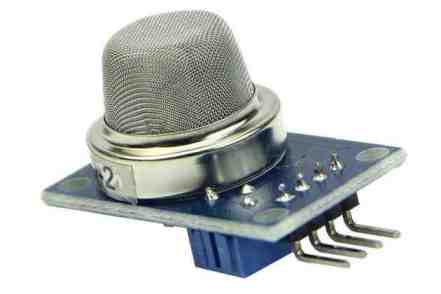
MQ-2 Gas Sensor Module For H2, LPG, CH4, CO, Smoke or Propane Detector Module
MQ-2 Gas Sensor Module
The MQ-2 Smoke LPG Butane Hydrogen Gas Sensor Detector Module is useful for gas leakage detection (home and industry). It is suitable for detecting H2, LPG, CH4, CO, Alcohol, Smoke, or Propane. Due to its high sensitivity and fast response time, measurements can be taken as soon as possible. The sensitivity of the sensor can be adjusted by the potentiometer
This MQ-2 Smoke and gas detector module works with 5V power, making it easy to connect to most projects. You can get two types of readings from it—an analog output, which gives you a range of values (0V to 5V) based on the gas level, or a digital output that’s either on (5V) or off (0V).
Check out the entire range of Gas Sensors.
Also explore the exclusive collection for Sensors.
Applications:
- Safety of home
- Control of air quality
- Measurement of gas level
- Gas leakage alarms
- IoT safety
MQ-2 Gas Sensor Module – Quick Start Guide
Wiring Guide
- Connect VCC to Arduino 5 V.
- Connect GND to Arduino GND.
- Connect A0 (analog output) to Arduino analog pin A0.
- Optional: Connect D0 (digital output) to Arduino digital pin (e.g., D2) for threshold detection.
- Allow the sensor to pre-heat for a few minutes before use.
Arduino Code Example – Analog Read
#define sensorPin A0    // analog input pin for MQ-2
int sensorValue = 0;

void setup() {
  Serial.begin(9600);
  Serial.println("MQ-2 Gas Sensor Test");
  delay(2000);  // sensor stabilisation
}

void loop() {
  sensorValue = analogRead(sensorPin);
  Serial.print("Gas Sensor Reading: ");
  Serial.println(sensorValue);

  if (sensorValue > 400) {   // adjust threshold as needed
    Serial.println(">> Gas/Smoke Detected! <<");
  }

  delay(1000);
}
Usage Tips
- Higher sensor values indicate higher gas concentration.
- Adjust the threshold depending on your environment and calibration.
- The digital output (D0) can be used for simple detection logic.
- Ensure good ventilation and safety when testing with flammable gases.
MQ-2 vs MQ-3 vs MQ-7 – Gas Sensor Comparison
| Feature | MQ-2 | MQ-3 | MQ-7 |
|---|---|---|---|
| Main target gases | Combustible gases & smoke (LPG, propane, methane, hydrogen, etc.) | Alcohol/ethanol vapour (also benzine, smoke to lesser extent) | Carbon monoxide (CO) primarily |
| Typical operation voltage | 5 V heater standard | 5 V heater standard | Complex heating cycle (e.g., 5 V then 1.4 V low-heater mode) for CO detection |
| Specific usage notes | General-purpose gas and smoke sensor; wide detection scope but less selective | More selective toward alcohol vapour; used in breathalyzers and alcohol detection systems | Specialised for CO; requires heating cycle and calibration for accurate measurement |
| Calibration & complexity | Relatively simple; heat up, read analog output | Simple; read analog output, target is alcohol so environment matters | More complex; proper heater cycling and careful calibration needed |
| Best for | Home/DIY gas leak & smoke detection projects | Projects detecting alcohol vapour (e.g., breath analysis, security systems) | Applications where CO detection is important (ventilation, safety, industrial) |
| Considerations / trade-offs | Not very selective; may trigger for a range of combustible gases & smoke | May also respond to other vapours or solvents, not purely alcohol | Higher cost, more complex setup, slower response; careful calibration required |
MQ Gas Sensors – Troubleshooting Tips
- False Readings: Ensure proper ventilation and avoid placing the sensor near strong fumes, alcohol, or other interfering gases if you want specific detection.
- Calibration Issues: Pre-heat the sensor for the recommended time (typically a few minutes to hours depending on sensor) before taking readings.
- Threshold Setting: Adjust threshold values in your code carefully; raw analog readings vary between sensors even of the same type.
- Environmental Factors: Temperature and humidity affect readings; use in stable environments or implement compensation if needed.
- Power Supply Stability: Use a stable 5 V supply; fluctuations can cause erratic readings.
- Sensor Age / Wear: MQ sensors degrade over time; if readings are inconsistent, consider replacing the sensor.
Product Information
Product Information
Shipping & Returns
Shipping & Returns
Description
MQ-2 Gas Sensor Module
The MQ-2 Smoke LPG Butane Hydrogen Gas Sensor Detector Module is useful for gas leakage detection (home and industry). It is suitable for detecting H2, LPG, CH4, CO, Alcohol, Smoke, or Propane. Due to its high sensitivity and fast response time, measurements can be taken as soon as possible. The sensitivity of the sensor can be adjusted by the potentiometer
This MQ-2 Smoke and gas detector module works with 5V power, making it easy to connect to most projects. You can get two types of readings from it—an analog output, which gives you a range of values (0V to 5V) based on the gas level, or a digital output that’s either on (5V) or off (0V).
Check out the entire range of Gas Sensors.
Also explore the exclusive collection for Sensors.
Applications:
- Safety of home
- Control of air quality
- Measurement of gas level
- Gas leakage alarms
- IoT safety
MQ-2 Gas Sensor Module – Quick Start Guide
Wiring Guide
- Connect VCC to Arduino 5 V.
- Connect GND to Arduino GND.
- Connect A0 (analog output) to Arduino analog pin A0.
- Optional: Connect D0 (digital output) to Arduino digital pin (e.g., D2) for threshold detection.
- Allow the sensor to pre-heat for a few minutes before use.
Arduino Code Example – Analog Read
#define sensorPin A0    // analog input pin for MQ-2
int sensorValue = 0;

void setup() {
  Serial.begin(9600);
  Serial.println("MQ-2 Gas Sensor Test");
  delay(2000);  // sensor stabilisation
}

void loop() {
  sensorValue = analogRead(sensorPin);
  Serial.print("Gas Sensor Reading: ");
  Serial.println(sensorValue);

  if (sensorValue > 400) {   // adjust threshold as needed
    Serial.println(">> Gas/Smoke Detected! <<");
  }

  delay(1000);
}
Usage Tips
- Higher sensor values indicate higher gas concentration.
- Adjust the threshold depending on your environment and calibration.
- The digital output (D0) can be used for simple detection logic.
- Ensure good ventilation and safety when testing with flammable gases.
MQ-2 vs MQ-3 vs MQ-7 – Gas Sensor Comparison
| Feature | MQ-2 | MQ-3 | MQ-7 |
|---|---|---|---|
| Main target gases | Combustible gases & smoke (LPG, propane, methane, hydrogen, etc.) | Alcohol/ethanol vapour (also benzine, smoke to lesser extent) | Carbon monoxide (CO) primarily |
| Typical operation voltage | 5 V heater standard | 5 V heater standard | Complex heating cycle (e.g., 5 V then 1.4 V low-heater mode) for CO detection |
| Specific usage notes | General-purpose gas and smoke sensor; wide detection scope but less selective | More selective toward alcohol vapour; used in breathalyzers and alcohol detection systems | Specialised for CO; requires heating cycle and calibration for accurate measurement |
| Calibration & complexity | Relatively simple; heat up, read analog output | Simple; read analog output, target is alcohol so environment matters | More complex; proper heater cycling and careful calibration needed |
| Best for | Home/DIY gas leak & smoke detection projects | Projects detecting alcohol vapour (e.g., breath analysis, security systems) | Applications where CO detection is important (ventilation, safety, industrial) |
| Considerations / trade-offs | Not very selective; may trigger for a range of combustible gases & smoke | May also respond to other vapours or solvents, not purely alcohol | Higher cost, more complex setup, slower response; careful calibration required |
MQ Gas Sensors – Troubleshooting Tips
- False Readings: Ensure proper ventilation and avoid placing the sensor near strong fumes, alcohol, or other interfering gases if you want specific detection.
- Calibration Issues: Pre-heat the sensor for the recommended time (typically a few minutes to hours depending on sensor) before taking readings.
- Threshold Setting: Adjust threshold values in your code carefully; raw analog readings vary between sensors even of the same type.
- Environmental Factors: Temperature and humidity affect readings; use in stable environments or implement compensation if needed.
- Power Supply Stability: Use a stable 5 V supply; fluctuations can cause erratic readings.
- Sensor Age / Wear: MQ sensors degrade over time; if readings are inconsistent, consider replacing the sensor.